Is Stucco a Good Choice for Homes in Topeka?
Oh, absolutely it is. I've been working with stucco right here in Topeka for years, and believe me, it holds up incredibly well. Folks often get a little antsy about our wild Kansas weather – those scorching summers, icy winters, and, yeah, the occasional hailstorm. But modern stucco systems? They're built to take all that punishment. It's tough, gives you fantastic insulation, and when we install it correctly, it's pretty much bulletproof against whatever Mother Nature throws at it. Plus, you get that clean, classic look that really bumps up your home's curb appeal. It's a solid investment, truly, for any Topeka homeowner wanting a good-looking exterior that lasts.
How Long Does Stucco Installation Actually Take?
That's a question I hear all the time, and the honest truth is, it varies. A few things really play into the timeline. First off, the size of your house. A smaller ranch-style place, maybe in the Westboro neighborhood, will obviously take less time than a big, two-story home. Then there's the complexity: how many windows, doors, architectural bits, and corners we're dealing with. Weather, too, plays a huge part. We can't put stucco on in freezing temperatures or when it's pouring rain. Generally, for an average-sized house, you're looking at about two to four weeks from start to finish. That covers everything – the prep work, putting on all the different coats, and giving each layer enough time to cure properly. We don't rush things here at Topeka Stucco & Plastering because, frankly, rushing just causes problems later, and who needs that?
What's the Real Cost of Stucco Installation?
Alright, let's talk money. This is usually the first thing people ask about, isn't it? The cost of stucco installation isn't some fixed number. It jumps around quite a bit based on the same things that affect how long it takes: the square footage, how complex your home's design is, and which stucco system you pick. Traditional three-coat stucco, for example, usually takes a bit more labor than an EIFS (Exterior Insulation and Finish System), though EIFS can sometimes cost more because of the materials. Also, things like scaffolding needs, any repairs we have to make to the structure underneath, and custom finishes you might want will all change the final price. What I can tell you is that it's generally competitive with other high-end siding options, like brick or good-quality fiber cement. You're paying for an exterior that's durable, needs little upkeep, and is energy-efficient, and it'll last for decades. We always give you a detailed, transparent quote, so you know exactly what you're getting into before we even start.
Does Stucco Require a Lot of Maintenance?
Compared to some other siding materials, stucco is actually pretty low maintenance. That's one of its big selling points, if you ask me. You won't have to repaint it every few years like you would with wood siding, and it doesn't rot or attract pests. The main thing? Keep it clean. A good rinse with a garden hose once or twice a year usually takes care of most dirt and grime. For tougher spots, a mild detergent and a soft brush can do the trick. The most important maintenance, in my opinion, is simply keeping an eye on it. If you spot any cracks, especially around windows or doors, or if you notice discoloration that might mean moisture is getting in, it's best to give us a call right away. Catching small issues early stops them from turning into big, expensive headaches. Good drainage around your foundation is also crucial – make sure your sprinklers aren't constantly soaking the base of your stucco walls.
Can Stucco Be Applied Over My Existing Siding?
This comes up a lot, especially with older homes. In most cases, no, you can't just slap stucco right over your old siding. For stucco to work right and last as long as it should, it needs a solid, clean, and properly prepped surface underneath. That usually means we have to take off the old siding – whether it's wood, vinyl, or aluminum – all the way down to the sheathing. Then we check the sheathing for any damage, fix it up, and install a proper weather-resistive barrier, lath, and then the stucco layers. Trying to cut corners by putting stucco over an unsuitable surface is just asking for trouble. You'll end up with cracking, moisture problems, and a whole lot of headaches. We always recommend doing it the right way from the very beginning.
How Does Stucco Handle Moisture and Water Intrusion?
This is probably the most important question, and it's where a lot of the myths about stucco come from. When stucco is installed correctly – with the right flashing, weep screeds, and a strong weather-resistive barrier system – it handles moisture beautifully. Modern stucco systems are designed to shed water and manage any moisture that might get behind the surface. The problem isn't usually the stucco itself; it's often bad installation practices, missing flashing around windows and doors, or improper drainage details. That's why picking an experienced, reputable contractor like Topeka Stucco & Plastering is so important. We understand the specific challenges of our climate, like those freeze-thaw cycles that can make moisture issues worse if they're not handled right, and we build systems that really protect your home. We make sure all the layers are there and installed to code, creating a durable, water-resistant envelope for your house.
What Color and Finish Options Are Available for Stucco?
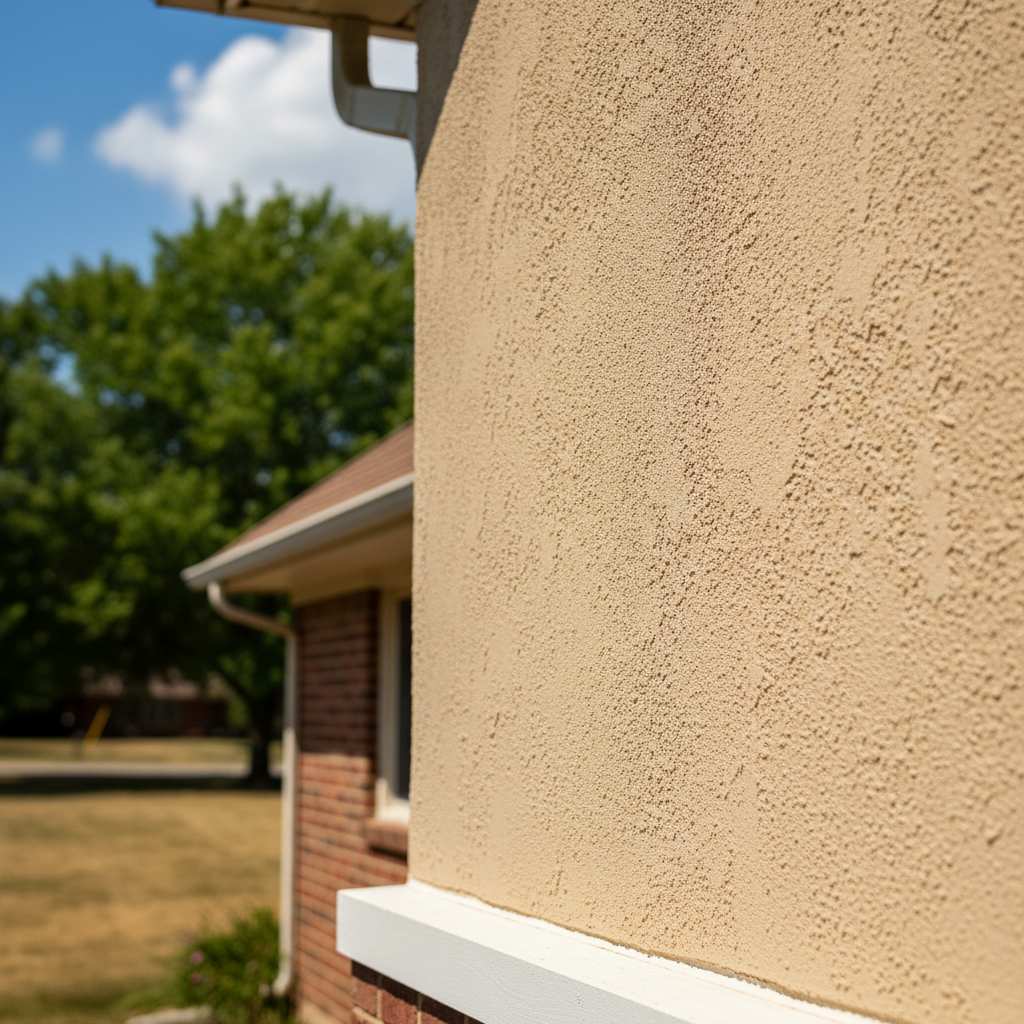
The options are practically endless, which is honestly one of the fun parts about choosing stucco! You're definitely not stuck with just one look. For colors, we can match pretty much any shade you can imagine. Whether you want a classic earthy tone, a vibrant modern hue, or something subtle to blend with your landscaping, we can make it happen. The color gets mixed right into the final coat, so it's not just a surface paint that will chip or fade quickly; it's part of the stucco itself. As for finishes, you've got a ton of choices there too. You can go for a smooth, contemporary look, a sand finish for a bit of texture, a worm finish with those subtle grooves, or even a dash finish for a rougher, more rustic appearance. We can show you samples and help you pick the perfect combination that complements your home's architectural style and your personal taste. It really lets you customize things, making your home truly unique.